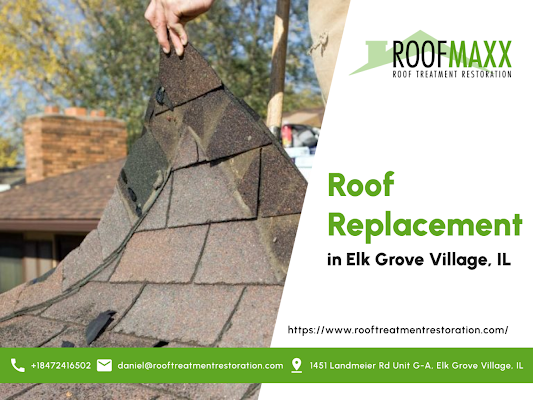
4. Prepare your home: Once you've selected a contractor and scheduled a date for the replacement, take some time to prepare your home. Move any outdoor furniture or decorations away from the house and cover any delicate items inside (such as paintings or vases). You may also want to notify your neighbors about the upcoming project so they're not surprised
Either way, it's important to inspect your roof regularly and perform any necessary repairs or replacements as soon as possible. Doing so will prolong the life of your roof and keep it looking its best.
Luckily, repairing a hole in your roof is relatively easy and only requires a few tools and materials. Here’s what you need to know about repairing a hole in your roof:
Restoring your roof is a job that, while not too difficult, should be left to professionals who have the right tools and know-how. Following our guide on how to restore your roof step by step will help you get started in the right direction. With proper maintenance and restoration techniques, you can make sure that your roof looks like new for years to come. So if it’s time to renovate or update the look of your home's exterior, don’t forget about restoring your roof!
If you're looking for a reliable and affordable roofing option for your new home, then residential roofing is a great choice. Here are just some of the many benefits of choosing residential roofing:
Dome-shaped roofs are the least common type of roof, but they offer some unique benefits. Dome-shaped roofs are extremely strong and can withstand high winds and heavy snowfall. They're also less likely to leak than other types of roofs, making them a good choice for homes in areas with severe weather conditions.
3. Install the new roof: After the old roof has been removed, you can start installing the new one. You will need to put down some tar paper first and then install shingles or whatever type of material you have chosen for your new roof. Make sure that each layer is properly secured so that your new roof will be strong and durable.
Sloped roofs, such as gabled roofs or hipped roofs, are more durable than flat roofs and can withstand more severe weather conditions. Sloped roofs are also more aesthetically pleasing than flat roofs. However, they are more expensive to construct and repair.
Installation Safety: The installation of your roof is just as important as the materials used. Make sure the contractor you hire follows all safety standards during installation, including proper ventilation and fall protection measures.
Roof repair is an important task that requires the expertise of a professional. It’s important to consider all factors when deciding on which roofing material to use and what type of repairs are necessary for your particular situation. We hope this guide has given you an overview of the basics regarding roof repair, so you have a better understanding of how it all works and can make an informed decision when it comes time to do any work on your roof.
Residential roofing is a great choice for any homeowner looking for reliable, long-lasting protection from the elements. Its affordability and durability are sure to make it an attractive option, not to mention its wide range of design options. Not only will your home be better protected, but you can also enjoy peace of mind knowing that your investment will last a lifetime. With so many benefits to choosing residential roofing, it’s no wonder why more and more homeowners are making this switch!
Once the roof is clean, inspect it for any damage. If you see any cracked or missing shingles, replace them as soon as possible. This will help to prevent further damage and extend the life of your roof.
The first factor to consider is the climate. The type of roof you choose should be able to withstand the weather conditions in your area. For example, if you live in an area with a lot of snow, you will want a roof that is designed to handle that kind of weather.
2. Better Protection From the Elements: A new roof will provide better protection for your home against wind, hail, and other weather damage. It will also help to keep pests out of your attic and reduce noise from outside.
4. Apply a new coat of sealant. Once the repairs are complete, you will need to apply a new coat of sealant to protect your roof from further damage. Be sure to follow the manufacturer's instructions when applying sealant.
1. Inspect your roof for damage. Look for missing or damaged shingles, and check for any leaks. If you find any damage, you will need to repair it before proceeding.
It's no secret that roofs can be expensive to replace. A roof is a big investment, and when it starts to show signs of wear, it's natural to want to extend its life for as long as possible. Roof treatment restoration with Roofmaxx can do just that.
Finally, consider adding a new coat of paint or sealant to your roof. This will give it a fresh new look and help protect it from the elements. Roof rejuvenation doesn't have to be expensive or time-consuming - with these simple tips, you can make your roof look like new again in no time!
You will need a few tools and materials before you get started on restoring your roof. You will need a ladder, safety goggles, gloves, a dust mask, a putty knife, caulk, paper towels, a wire brush, and a pry bar. You will also need to gather some old rags or newspapers, a tarp, and some heavy duty trash bags.